DoomsdaysCW

🔒 Manual approval

@DoomsdaysCW@kolektiva.social

Fmr Journalist📰 and occasional Librarian 📚, #IndigenousAlly living on #Wabanaki land🌄.
#NonBinary :nonbinary_flag: #Queer :QueerCat_Aromantic: #ActuallyAutistic♾️ Pronouns: They, them, per, person, human.
#Environmentalist🌳 #DemocraticSocialist🌹 Student of #AncientHistory 📜
#NoNukes☢️ Anti#Oligarchy🎩 #NoWar☮️ #GetMoneyOut💰#HumanRights🕵️‍♂️ #FreePalestine🇵🇸 #BLM✊🏿 #IndigenousRights 🌿 #WaterIsLife💧Anti-#Corruption🔍 #ClimateCrisis🌍 #RightToRepair 🪛 #SolarPunkSunday 🌞

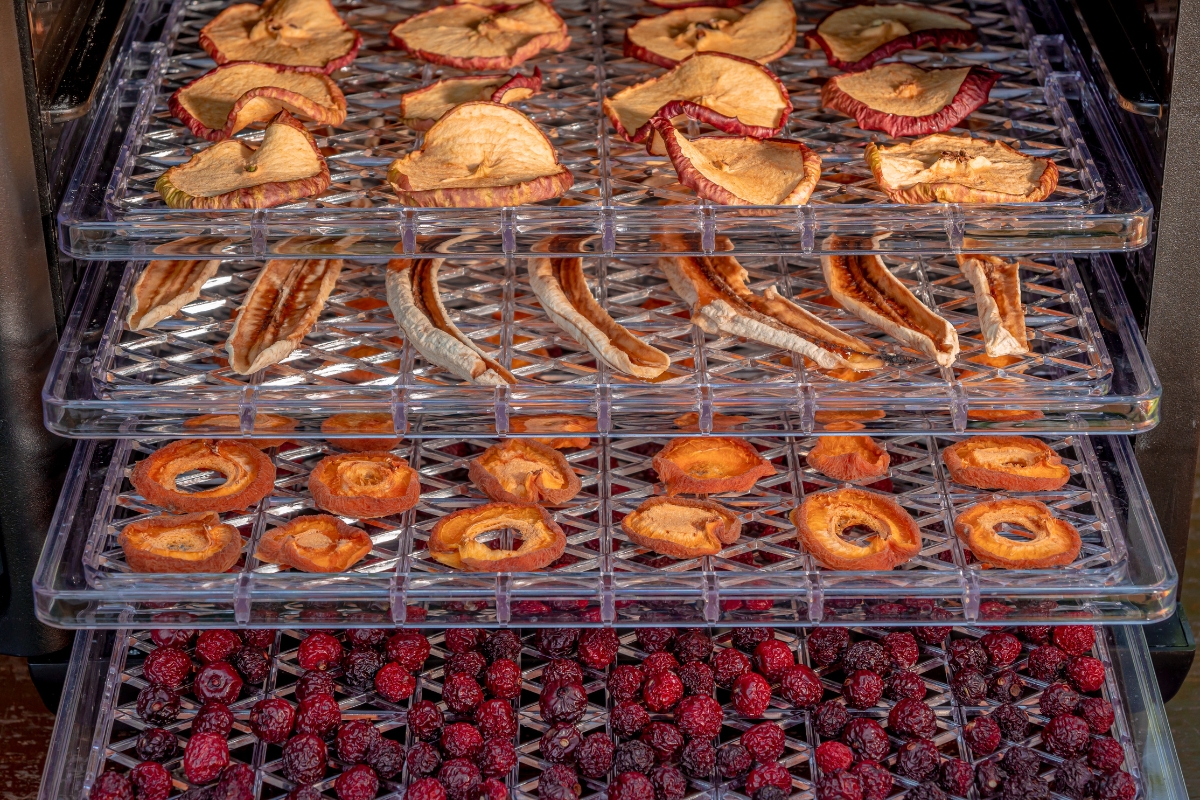
A Beginner’s Guide to #DehydratingFood

"Dehydrating is one of the oldest, simplest ways to preserve food at home. This guide walks you through every method (sun, air, solar, oven, electric, microwave), the right prep for fruits, vegetables, meats, nuts and herbs, the temperatures and timings that actually work, and the storage rules that keep your work safe for months. By the end, you'll know exactly what to dry, how to dry it, and how to store it without losing flavor or nutrition.

Key takeaways

- Dehydrating naturally preserves food and extends shelf life, making it great for storage, camping or reducing waste.
- Many foods can be dehydrated using methods like electric dehydrators, ovens or sun-drying.
- Preparation and storage matter. Slicing, blanching, drying temperature and proper storage all affect safety and flavor."

Learn more:
eartheasy.com/blogs/eat/a-begi

#SolarPunkSunday #DryingFood #FoodPreservation #AnimalProducts

EartheasyA Beginner’s Guide to Dehydrating FoodLearn how to dehydrate fruits, vegetables, meat and herbs at home — methods, drying times, prep tips and safe storage from EarthEasy’s 25-year guide.

#CulinaryAsh (Chahota) - by #IndigenousChef #SeanSherman

"Culinary ash seasoning dates back thousands of years. Just as smoke was an important, primal flavor that cues our original use of fire to transform raw ingredients into delicious foods, burning trees and the hard, inedible parts of plants is an ancient method of creating flavorful spices.

The tastes of ash seasoning vary depending on the plant used -- #corncobs, #sage leaves, #juniper berries, rose hips, #sumac -- and the ash adds color and interest to many dishes. To create ash, hold the food over a flame with tongs or set it on a grill or under a broiler, rotating it until it's thoroughly blackened. remove and place on a baking sheet until it is cool enough to handle.

Any food can be 'ashed,' but here are those we like using the best:

- Corn ash is slightly sweet, dark, and a bit creamy.
- Sage ash is peppery and assertive.
- Juniper ash will turn the foods it seasons a dark, inky blue and add a earthy, peppery note."

Page 182, "The #SiouxChef's Indigenous Kitchen."

#SolarPunkSunday #PlantAsh #IndigenousRecipes #TraditionalIngredients #NativeAmericanRecipes #NativeAmericanIngredients

#UniversityOfGeorgia - National Center for #FoodPreservation

#FruitLeathers

"Fruit leathers are homemade fruit rolls. They are a tasty chewy, dried fruit product. Fruit leathers are made by pouring pureéd fruit onto a flat surface for drying. When dried, the fruit is pulled from the surface and rolled. It gets the name "leather" from the fact that when pureéd fruit is dried, it is shiny and has the texture of leather.

The advantages of making your own fruit leathers are to save money use less sugar and to mix fruit flavors. Leftover fruit pulp from making jelly can be blended and made into fruit rolls.

For the diabetic adult or child, fruit leathers made without sugar are a healthy choice for snacks or desserts. Individual fruit leathers should contain the amount of fruit allowed for the fruit exchange.

Directions follow for making fruit leathers. Fresh, frozen or drained canned fruit can be used.

For Leathers from Fresh Fruit:

- Select ripe or slightly overripe fruit.
- Wash fruit in cool water; remove peel, seeds, and stem. Cut into chunks.
- 2 cups of fruit will make a 13" x 15" fruit leather. Puree fruit until smooth.
- Add 2 tsp lemon juice OR 1/8 tsp (375mg) ascorbic acid for every 2 cups of light colored fruit to prevent darkening.
- OPTIONAL: To sweeten, add 1/4 to 1/2 cup (or to taste) of corn syrup, honey, or sugar. For longer storage, corn syrup or honey is best because it prevents crystals.
- OPTIONAL: Applesauce can be added to any fresh fruit as an extender. It decreases tartness and makes the leather smoother and more pliable.

For Leathers from Canned or Frozen Fruit:

- Drain fruit; save the liquid.
- 2 cups of fruit will make a 13" x 15" fruit leather. Puree fruit until smooth and add reserved liquid if needed until it is a pourable consistency.
- Add 2 tsp lemon juice OR 1/8 tsp (375mg) ascorbic acid for every 2 cups of light colored fruit to prevent darkening.

Preparing the Trays

For drying in the oven a 13" X 15" cookie pan with edges works well. Line pan with plastic wrap being careful to smooth out wrinkles. Do not use waxed paper or aluminum foil.

To dry in a dehydrator, specially designed plastic sheets can be purchased or plastic trays can be lined with plastic wrap.
Pouring the Leather

Fruit leathers can be poured into a single large sheet (13" X 15") or into several smaller sizes. Spread pureé evenly, about 1/8-inch thick, onto drying tray. Avoid pouring pureé too close to the edge of the cookie sheet. The larger fruit leathers take longer to dry. Approximate drying times are 6 to 8 hours in a dehydrator, up to 18 hours in an oven and 1 to 2 days in the sun.

Drying the Leather

Dry fruit leathers at 140ºF. Leather dries from the outside edge toward the center. Test for dryness by touching center of leather; no indentation should be evident. While warm, peel from plastic and roll, allow to cool and rewrap the roll in plastic. Cookie cutters can be used to cut out shapes that children will enjoy. Roll, and wrap in plastic.

Chances are the fruit leather will not last long enough for storage. If it does, it will keep up to 1 month at room temperature. For storage up to 1 year, place tightly wrapped rolls in the freezer.

Spices, Flavors and Garnishes

To add interest to your fruit leathers, spices, flavorings or garnishes can be added.

Spices to Try — Allspice, cinnamon, cloves, coriander, ginger, mace, mint, nutmeg or pumpkin pie spice. Use sparingly, start with 1/8 teaspoon for each 2 cups of pureé.

Flavorings to Try — Almond extract, lemon juice, lemon peel, lime juice, lime peel, orange extract, orange juice, orange peel or vanilla extract. Use sparingly, try 1/8 to 1/4 teaspoon for each 2 cups of pureé.

Delicious Additions to Try — Shredded coconut, chopped dates, other dried chopped fruits, granola, miniature marshmallows, chopped nuts, chopped raisins, poppy seeds, sesame seeds or sunflower seeds.

Fillings to Try — Melted chocolate, softened cream cheese, cheese spreads, jam, preserves, marmalade, marshmallow cream or peanut butter. Spread one or more of these on the leather after it is dried and then roll. Store in refrigerator.

- Select ripe or slightly overripe fruit.
- Wash fresh fruit or berries in cool water. Remove peel, seeds and stem.
- Cut fruit into chunks. Use 2 cups of fruit for each 13" x 15" inch fruit leather. Pureé fruit until smooth.
- Add 2 teaspoons of lemon juice or 1/8 teaspoon ascorbic acid (375 mg) for each 2 cups light colored fruit to prevent darkening.
- Optional: To sweeten, add corn syrup, honey or sugar. Corn syrup or honey is best for longer storage because it prevents crystals. Sugar is fine for immediate use or short storage. Use ¼ to ½ cup sugar, corn syrup or honey for each 2 cups of fruit. Saccharin-based sweeteners could also be used to reduce tartness without adding calories. Aspartame sweeteners may lose sweetness during drying.
- Home preserved or store-bought canned or frozen fruit can be used.
- Drain fruit, save liquid.
- Use 1 pint of fruit for each 13" X 15" leather.
- Purée fruit until smooth. If thick, add liquid.
- Add 2 teaspoons of lemon juice or 1/8 teaspoon ascorbic acid (375 mg) for each 2 cups of light colored fruit to prevent darkening.
- Applesauce can be dried alone or added to any fresh fruit pureé as an extender. It decreases tartness and makes the leather smoother and more pliable."

Source:
nchfp.uga.edu/how/dry/recipes/

#SolarPunkSunday #PreservingTheHarvest #PreservingFruit #FoodPreservation

#OttowaCanada - July #RepairCafe

Saturday, July 11 • 10 AM - 2 PM
Richelieu-Vanier Community Centre, #OttawaON

(no ticket required; FREE EVENT; listing for info only)

"Throw it away? No way! Fix it at the Repair Café! Venez faire réparer vos articles au Café de reparations!

Join us on Saturday, July 11th, 2026 at Richelieu-Vanier Community Centre (300 des Pères-Blancs Avenue) from 10am until 2pm.

Repair Cafés are opportunities for all Ottawa & area residents to feel purpose and belonging – whether as a visitor or volunteer – to save money, learn new skills and foster a culture of repair! Repair Cafés directly divert items from our local landfills and reduce our environmental impact, while allowing our community to engage in accessible climate action!

Repair Cafés are an international concept that has come to the National Capital Region with the goal of reducing landfill waste, teaching new skills, and building community!

Our past Repair Cafés have been very successful with volunteers fixing dozens of items and sharing their knowledge around everything from darning socks to re-wiring kettles.

It's first-come, first-served, so please be prepared for the chance of extended wait times. Though we work as quickly and efficiently as we can, the popularity of these events is increasing and we can never tell what kind of wait there may be for us to see your item. We ask for your patience and kindness - remember, we are all on this repair mission together! :)

This event is held in collaboration with the the City of Ottawa and is FREE OF CHARGE. This listing is for information purposes only. All registration occurs onsite. You DO NOT HAVE TO REGISTER via Eventbrite, but a donation to support these great initiatives is always appreciated and helps cover expenses for volunteers. Note that if you kindly donate it does not mean you get to skip the line or show up as we are closing down with the expectation that someone will see your item.

Support provided from EPRA enables us to safely recycle any items that are not able to be repaired at the Repair Café."

FMI:
eventbrite.ca/e/july-repair-ca

#OttowaToolLibrary #RepairCafesOttowa #FixIt #RepairCafes #RepairCafesCanada #ReuseRestoreRepair #SolarPunkSunday #RightToRepair #BuildingCommunity

EventbriteJuly Repair Café (no ticket required; FREE EVENT; listing for info only)Throw it away? No way! Fix it at the Repair Café! Venez faire réparer vos articles au Café de reparations!

#DehydratingFood: Beginner’s Guide

By Ashley Adamant, Apr 13, 2025

"Dehydrating food is one of the oldest methods of #FoodPreservation, and it works just as well now as it did back then! It’s incredibly easy to dehydrate food at home, either in a #FoodDehydrator or your home oven.

Dehydrating For Food Preservation

From the #AncientEgyptians to #NativeAmericans, people have been dehydrating for centuries as a form of food preservation. For years dried food kept people fed through the cold winter months when food supplies were low or scarce. In fact, throughout history, dehydration always seems to experience a resurgence during times of food insecurity — WWI and WWII are just two recent examples.

Why is dehydration such a dependable form of food preservation? Dehydration preserves goods through the process of removing moisture from food. This effectively stops the formation of mold and spoiling, consequently preserving items for future use.

Although multiple forms of dehydration have been used throughout history, such as #SunDrying and #AirDrying, most modern individuals tend to opt for electric dehydration using a food dehydrator. These home food dehydrators apply low heat to food while circulating airflow to remove moisture from foods, making the process much easier than in the years of yore."

Learn more:
practicalselfreliance.com/dehy

#SolarPunkSunday #DehydratingFoods #FoodPreservation #PreservingTheHarvest #AnimalProducts

Practical Self RelianceDehydrating Food: Beginner's GuideDehydrating food is a simple and effective way to preserve fruits, vegetables, meats, and more. This beginner’s guide covers the basics of dehydration, from preparation to storage, helping you create tasty, long-lasting snacks and meals.

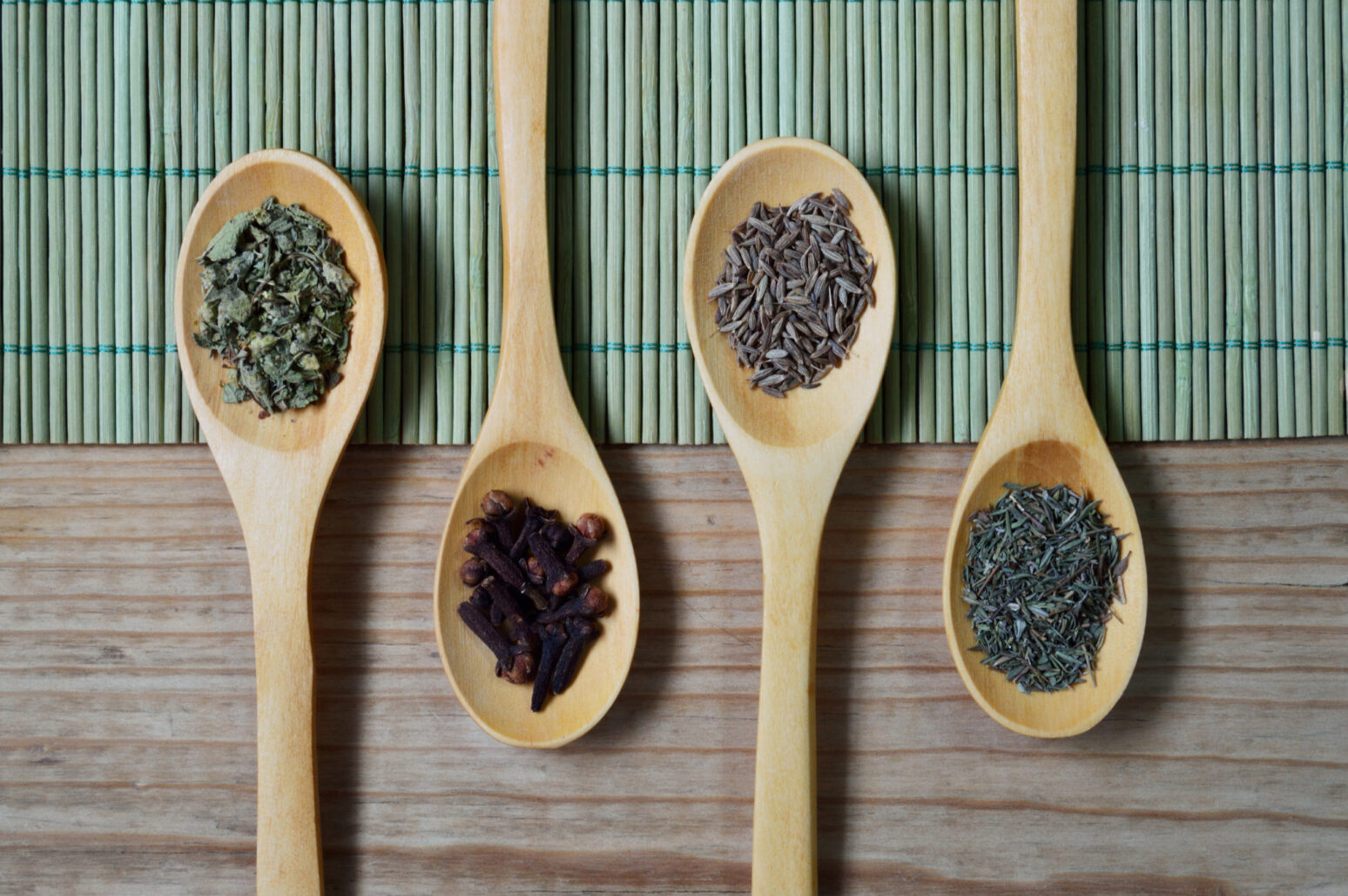
Native herbs and seasonings to keep on hand

by Molly Roe, July 15, 2020

"This post is inspired by the book 'The #SiouxChef’s #Indigenous Kitchen' by #SeanSherman

Keep these herbs and seasonings in your pantry to add flavor and depth to your indigenous recipes.Some of these grow in the wild and can be foraged. For those that aren’t available, visit your local organic market or health food store.

Bergamot

Bergamot can be maroon, magenta or lilac in color and resembles a chrysanthemum atop a two-foot-high erect stalk. It is a member of the mint family and attracts hummingbirds while repelling mosquitoes and gnats. It is a great addition to apple jelly and wine.

Sage

The dusty green leaves in sage can help infuse meats and soups with an earthy, piney flavor. Chopped sage leaves can add flavor to salads or homemade pickles.

Cedar

Cedar is perfect for braising meats and simmering into grain dishes and stews. Cedar adds a woodsy, smokey flavor to dishes.

Mint

After it becomes warm, it tends to lose its punch, so it’s best used when fresh. Mint is a good addition to savory sauces and teas.

Juniper

Juniper berries add a peppery kick to dishes. They are tart and sharp, with hints of citrus flavor. Rub crushed juniper berries onto meat before cooking to add flavor.

Staghorn Sumac

This northern sumac grows in ditches and along the borders of forests. Its deep red berries have a citrusy, tangy flavor. Ground, dried sumac makes a great rub for meats. The berries can also be used as a salad topping or in sauces.

Mustard

Mustard adds a peppery taste to salads and is also a great garnish. Collect mustard seeds to create a wonderful homemade spice to add to sauces, salads, meat rubs and stews.

Rose Hips

Rose hips add a light citrus-y note to stocks and soups and can be used dried or fresh."

Source:
sweetgrasstradingco.com/2020/0

#SolarPunkSunday #NativeAmericanFoods #CookingWithHerbs #Herbs

Sweetgrass Trading CoNative herbs and seasonings to keep on hand - Sweetgrass Trading CoThis post is inspired by the book “The Sioux Chef’s Indigenous Kitchen” by Sean Sherman  Keep these herbs and seasonings in your pantry to add flavor and depth to your indigenous recipes.Some of these grow in the wild and can be foraged. For those that aren’t available, visit your local organic market or health food [...]

#Barbecue Techniques from #IndigenousChef #SeanSherman

Posted on June 29, 2026

"Understanding Smoke and Flavor

One of the most essential aspects of barbecue is the smoke. Indigenous Chef Sean Sherman emphasizes the significance of using natural woods and herbs to infuse flavor into meats. Each wood type offers distinct characteristics that can elevate a dish, creating a unique culinary experience.

When selecting wood for smoking, consider these indigenous options:

- Pecan: Known for its sweet and nutty flavor, pecan wood is a popular choice for smoking meats and can pair wonderfully with poultry and pork.
- Hickory: Hickory wood provides a strong, smoky flavor that complements beef and ribs, making it a staple in many barbecue recipes.
- Cherry: The subtle sweetness of cherry wood can enhance the natural flavors of meats without overwhelming them, especially for lighter proteins like chicken or fish.
- Mesquite: With its bold and intense flavor profile, mesquite is best used sparingly. It works well with beef and lamb, creating a rich, smoky taste.

In addition to the type of wood, the way it’s prepared can also influence the final product. Chef Sherman recommends soaking wood chips in water for at least an hour before using them to create a slower burn, which helps produce a consistent smoke that enhances the meat over a longer cooking period.

Traditional Marinades and Rubs

Marinades and rubs are crucial for infusing flavor into meats before the cooking process begins. Chef Sean Sherman often draws on traditional Native American ingredients to create unique marinades that reflect the flavors of the land. Here are some techniques and tips to consider:

- Use Local Ingredients: Incorporate herbs and spices native to your region. For example, juniper berries, sage, and wild garlic can add depth to your marinades.
- Acid Balance: A good marinade typically includes an acid component, like vinegar or citrus juice, which helps tenderize the meat. Chef Sherman often uses wild berries or fruit juices for a unique twist.
- Salt and Sugar: Salt is essential for flavor enhancement, while sugar can create a caramelized crust when grilled. Consider using natural sweeteners like maple syrup or honey in your rubs.
- Time to Marinate: Allow meats to marinate for several hours or, ideally, overnight. This time allows the flavors to penetrate deeply, resulting in a more flavorful end product.

Cooking Techniques to Master

Barbecue is as much about technique as it is about ingredients. Here are some cooking methods that Chef Sean Sherman advocates:

- Indirect Heat: This technique involves setting up your grill so that the food is not directly over the flames. This method is perfect for larger cuts of meat that require longer cooking times, allowing for even cooking without burning.
- Wrapping in Leaves: Inspired by traditional cooking methods, wrapping meat in leaves can enhance flavor and moisture retention. Consider using corn husks or maple leaves to impart their unique essences.
- Searing: For smaller cuts or when finishing larger pieces, searing can create a flavorful crust. This technique involves cooking meat over high heat for a short period to lock in juices.
- Resting the Meat: After cooking, let the meat rest for at least 10-15 minutes before slicing. This practice allows the juices to redistribute, resulting in a more succulent bite."

Learn more:
howigotjob.com/uncategorized/b

#SolarPunkSunday #IndigenousFoods #NativeAmericanFoods #NativeAmericanCookingTechniques #AnimalProducts #SiouxChef #TraditionalCookingMethods

howigotjob.comBarbecue Techniques from Indigenous Chef Sean Sherman -Understanding Smoke and Flavor One of the most essential aspects of barbecue is the smoke. Indigenous Chef Sean Sherman emphasizes the significance of using natural woods and herbs to infuse flavor into meats. Each wood type offers distinct characteristics that can elevate a dish, creating a unique culinary experience. When selecting wood for smoking, consider […]

How to Smoke Fish

Learn how to make smoked fish in a few steps—no special equipment needed.

April 2025

"Where there's smoke, there's flavor. Smoking fish at home may sound too complicated or intimidating, but it’s as simple as grilling. In fact, it’s not even necessary to buy any expensive, bulky specialized equipment—all you need is a charcoal grill and aromatic wood chips. (This recipe calls for apple wood, but you can also use alder, pecan, hickory, maple, oak, cherry, or peach woods, according to availability and your tastes.)

"Our instructions for how to smoke fish guide you every step of the way, from brining to setting up the charcoal grill, preparing the wood chips, and finally smoking the fish. We also provide a step-by-step on how long to smoke a fish, depending on the variety and the cut."

Learn more:
marthastewart.com/332890/smoke

#SolarPunkSunday #SmokedFish #AnimalProducts #SmokingFood #FoodPreservation