@DanBekerman Hi Dan, just saw this on the page of the German channel ZDF...
https://www.zdf.de/filme/the-apprentice--the-trump-story-movie-100#t=details

@chris@olsberg.social
🏃 Born to run
🎥 Capturing moments, building things, chasing ideas
💻 Software dev & project manager
🔧 DIY tinkerer
⚙️ Open source, self-hosting & digital independence
🌍 Travel, history & fresh perspectives
🧠 Fast mind, sometimes heavy days
🌐 Fediverse native since 2018
📸 All photos are mine unless stated otherwise
✨ Curious, open-minded — open to connect
@DanBekerman Hi Dan, just saw this on the page of the German channel ZDF...
https://www.zdf.de/filme/the-apprentice--the-trump-story-movie-100#t=details
By now, at the very latest, the title ‘2026 World Champions’ in football is worth absolutely nothing!
FIFA has finally hit rock bottom.
The USA has become a complete aberration – both in sporting and political terms.
What a shame!
https://edition.cnn.com/2026/07/05/sport/folarin-balogun-eligible-to-play
 CNNFIFA stunned the soccer world by allowing the USA’s Folarin Balogun to play on Monday. Trump’s role is under the microscope | CNNPresident Donald Trump’s role in FIFA’s stunning decision to allow striker Folarin Balogun to be eligible to play against Belgium on Monday in Seattle is under the microscope.
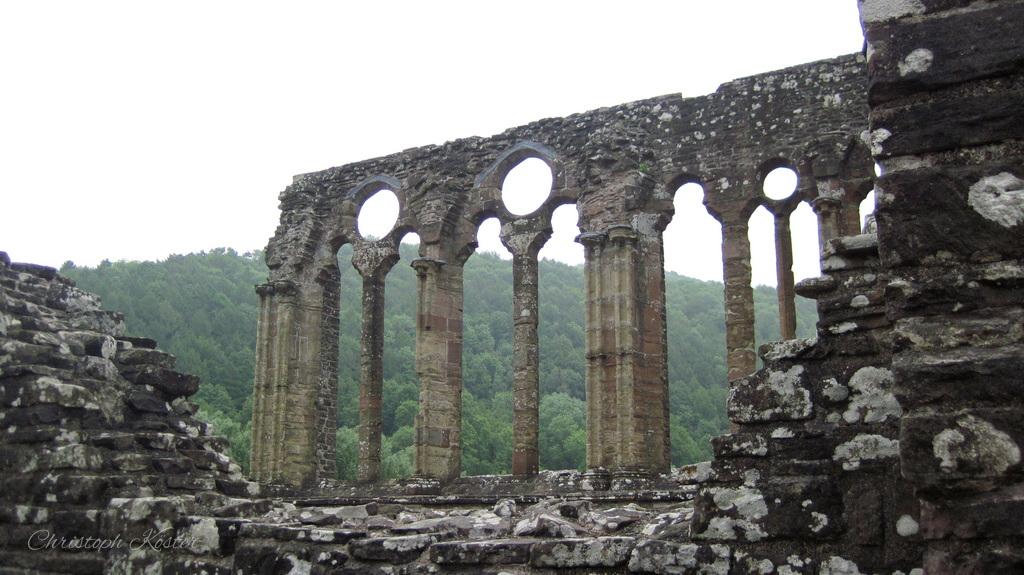
Window front in the ruins of Tintern Abbey
June 2012
#TinternAbbey #AbatyTyndyrn #Tintern #Wales #Cymru #Monmouthshire #SirFynwy #RiverWye #AfonGwy #Abbey #Gothic #Wall #Window #Ruins #FensterFreitag #Abtei #Gotik #Mauer #Fenster #Ruine
Replying to @chris@olsberg.social
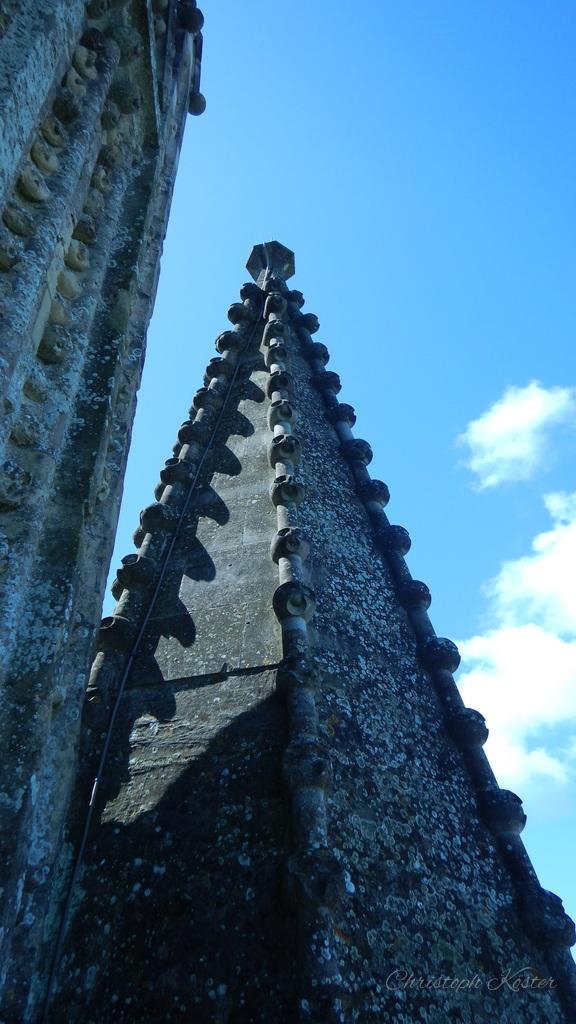
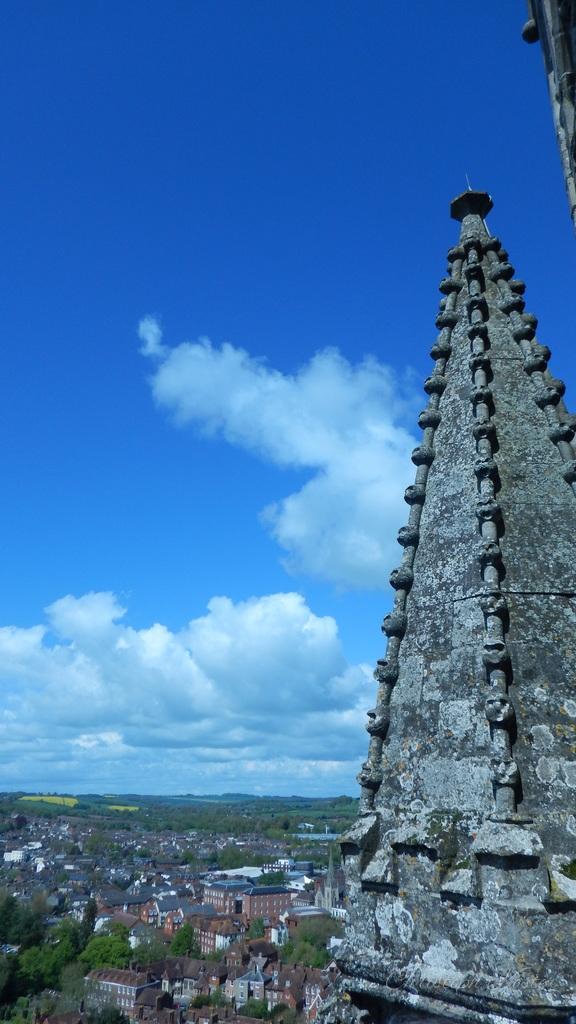
@2ruth @NellytheWillow @Vibracobra23 Here’s #SalisburyCathedral – to me, the tops of the market crosses look similar – just a bit smaller...
Replying to @2ruth@mastodon.social
@2ruth @NellytheWillow @Vibracobra23 I suspect that the builders and restorers drew inspiration from Gothic architecture, where such structures are often found (see, for example, the spires of Gothic cathedrals).
Replying to @NellytheWillow@mastodon.social
@NellytheWillow @2ruth @Vibracobra23 Yes, the pagan significance is pure speculation – but Christianity often made use of existing infrastructure – and culture! For example, pagan gods were also transformed into saints to make conversion easier for the pagans.
You’re right – there’s no evidence of that specifically for the market crosses.
Perhaps the Church wanted to have a presence in the central locations of public life.
Replying to @NellytheWillow@mastodon.social
@NellytheWillow @2ruth @Vibracobra23
In my region (Westphalia, Germany), it is well documented that during the Christianisation of the Saxons by the Franks, many formerly pagan sites (places of worship, assembly sites, etc.) were transformed into and adapted as Christian sites. Perhaps that is also the case here — just my own speculation.
There is a very interesting book on this subject, but unfortunately it is only available in German...
https://bibliothek.rzgierskopp.de/index.php?title=Der_Himmel_ist_unter_uns
 bibliothek.rzgierskopp.deDer Himmel ist unter uns – Bibliothek
Replying to @NellytheWillow@mastodon.social
@NellytheWillow @2ruth @Vibracobra23
Similar market crosses existed across Britain, such as in Chichester, Malmesbury, and Edinburgh. They served as focal points for trade, justice, and official proclamations, shaping public life in medieval towns.
Replying to @NellytheWillow@mastodon.social
@NellytheWillow @2ruth @Vibracobra23
Sorry to butt in, but I’m really interested in this.
The Cross in Monmouth was the centre of urban life in the Middle Ages. Markets were held here, traders sold their goods, and townspeople gathered. It was also used for public announcements and minor court proceedings.
As a market cross, It had religious significance. It symbolised Christian order and was used for sermons and processions. It also reflected Monmouth’s civic rights and economic standing.
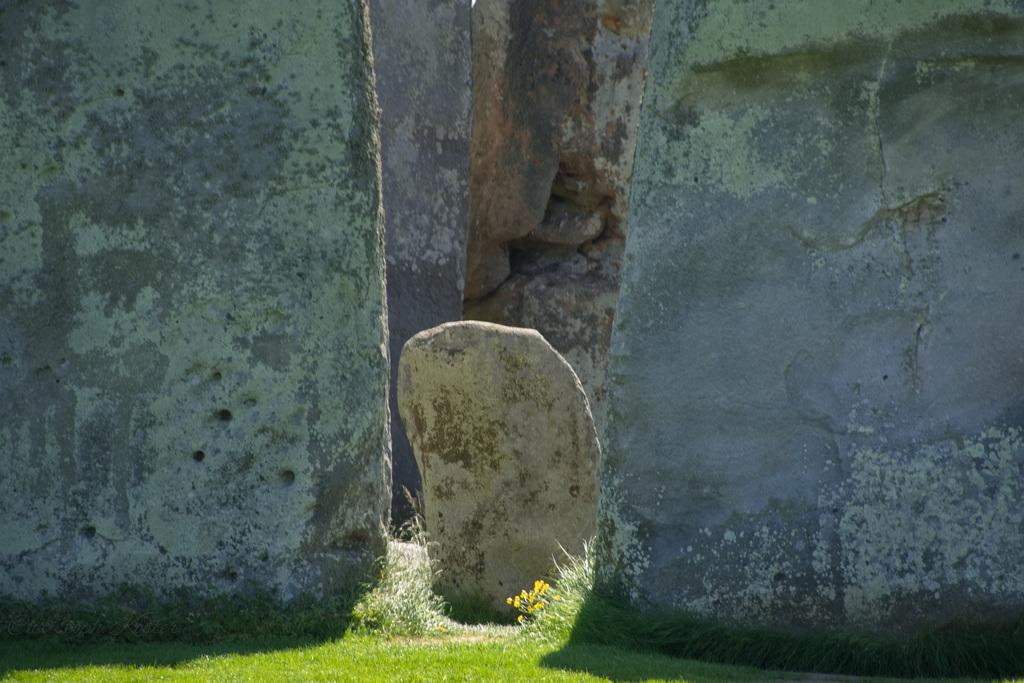
Detail view at Stonehenge
May 2023, Amesbury/Wiltshire
#StandingStoneSunday #Amesbury #Wiltshire #Stonehenge #AncientMonument #Prehistoric #Megalith #Neolithic #HistoricSite #WorldHeritage #AncientHistory #Archaeology #Mystery #England #HistoricLandmark #CulturalHeritage #Shadow