Canada has lost over 60% of its flying insects since the 1970s, leaving tree swallows smaller and less successful at breeding
https://timesofindia.indiatimes.com/science/canada-has-lost-over-60-of-its-flying-insects-since-the-1970s-leaving-tree-swallows-smaller-and-less-successful-at-breeding-scientists-found/articleshow/132176920.cms
Birds: 60% decline in Ireland since 1970s
Wild salmon: 89% decline in Ireland since 1970s
Butterflies: 80% decline in Ireland since 1970s
Butterflies: USA lost 20% of butterflies between 2005 and 2025
Flying insects: 75% decline in Germany in 27 years
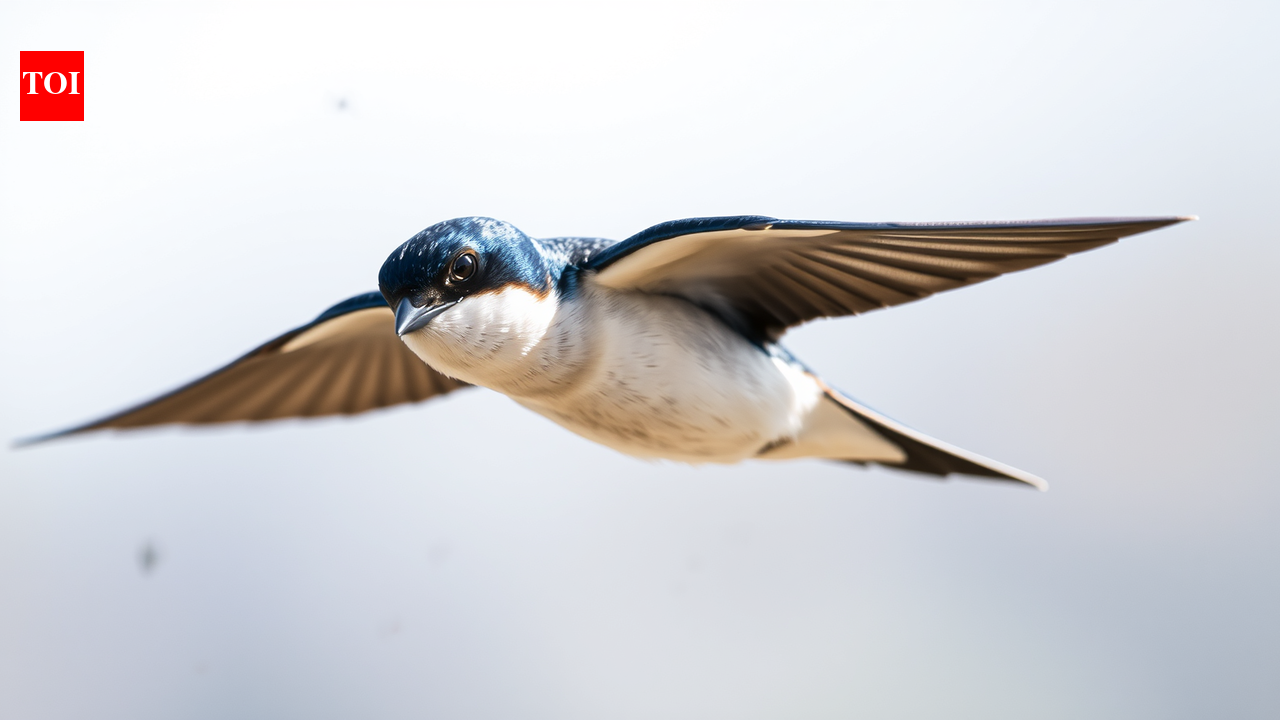 The Times of IndiaCanada has lost over 60% of its flying insects since the 1970s, leaving tree swallows smaller and less successful at breeding, scientists foundMore than 60 per cent of Canada’s flying insects have disappeared from a single site over the last four decades, starting in the late 1970s, and the effects can be seen among the birds that rely upon them for sustenance, according to a newly peer-reviewed study published in the Proceedings of the National Academy of Sciences (PNAS). Tree swallows in Ontario’s Long Point Bird Observatory are getting smaller and producing fewer offspring due to the decrease in insect numbers.